
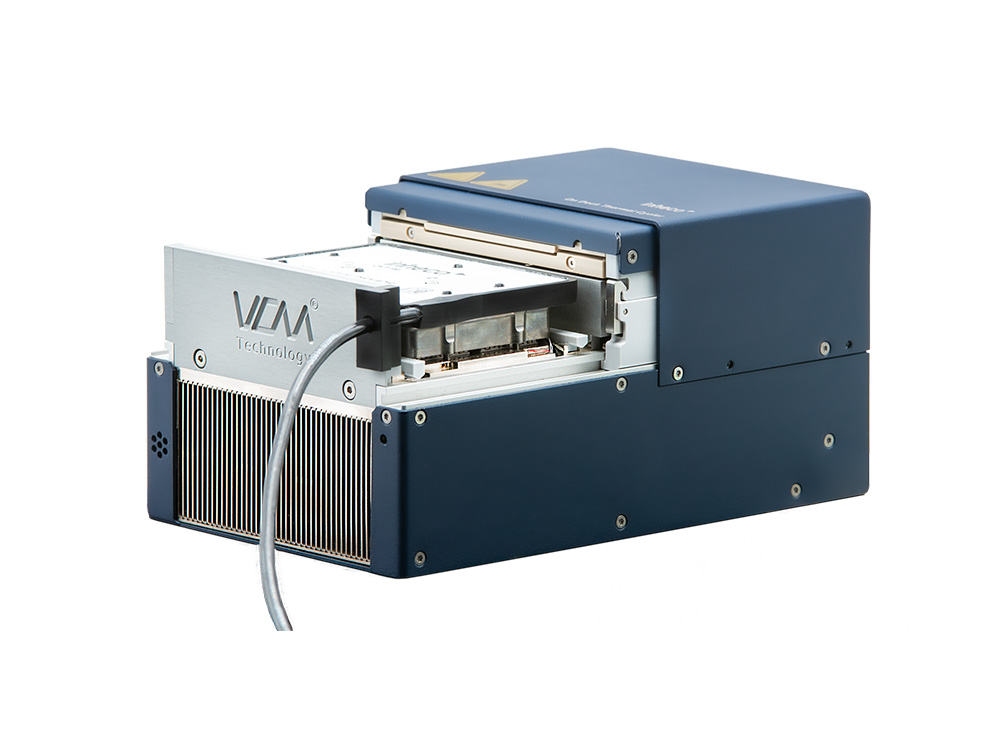
On Deck Thermal Cycler - ODTC®
The Inheco ODTC® delivers rapid, accurate, and cost-effective processing for every sample, every time
Thermal cyclers have become an essential tool in genomics, molecular biology and biotechnology. They’re used for amplifying genetic material, like NGS (Next Generation Sequencing) library preparation or any other kind of PCR. The ODTC® is the perfect choice for any molecular biological reaction that requires maximum precision in temperature.Easy Integration into robotic workflows
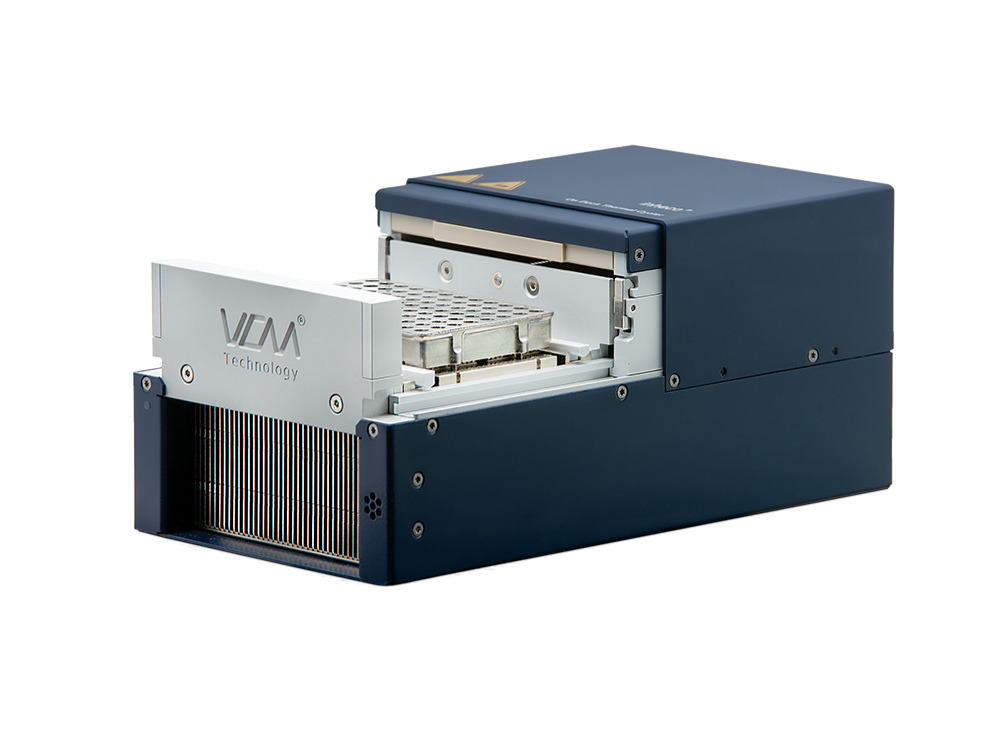
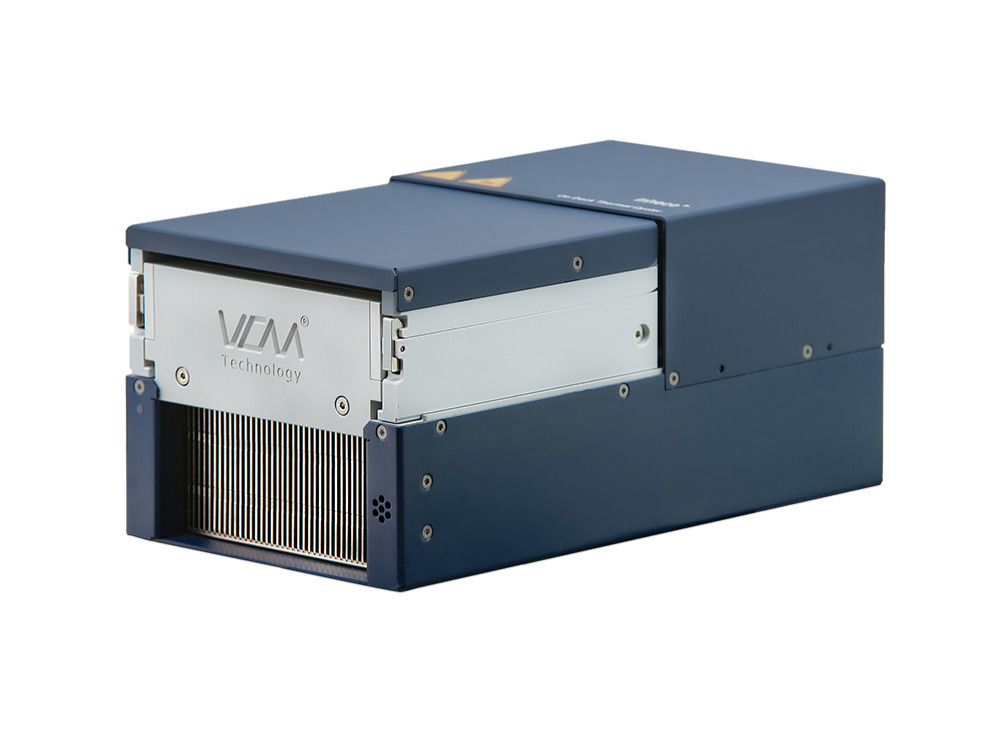
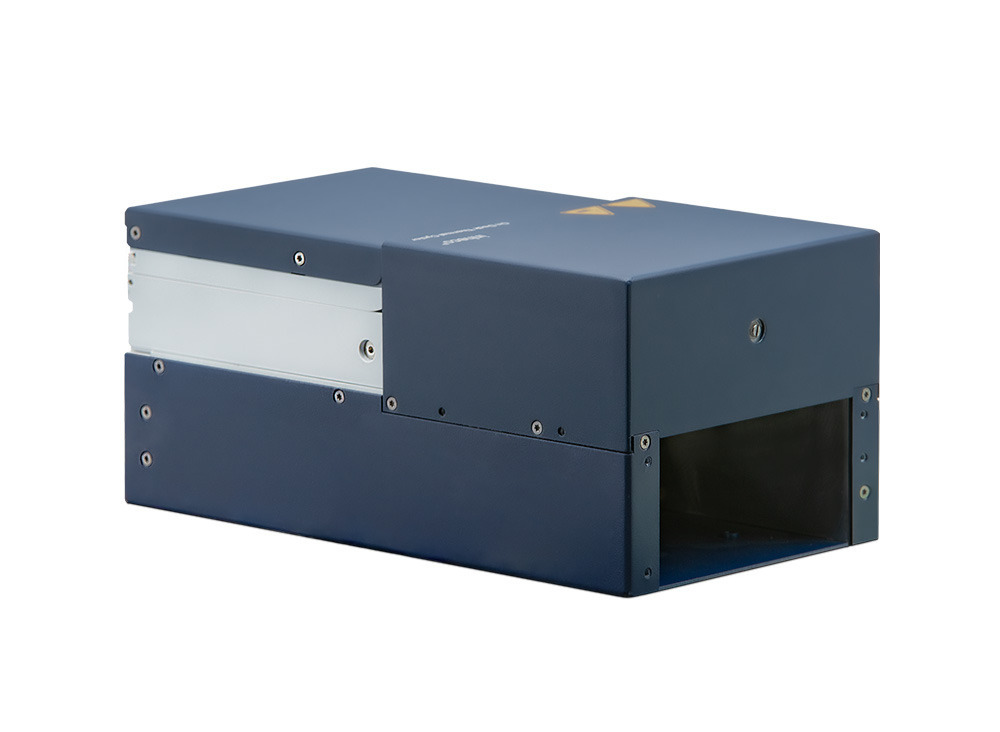
- taking up minimal space (157 mm W x 248 mm L x 124 mm H)
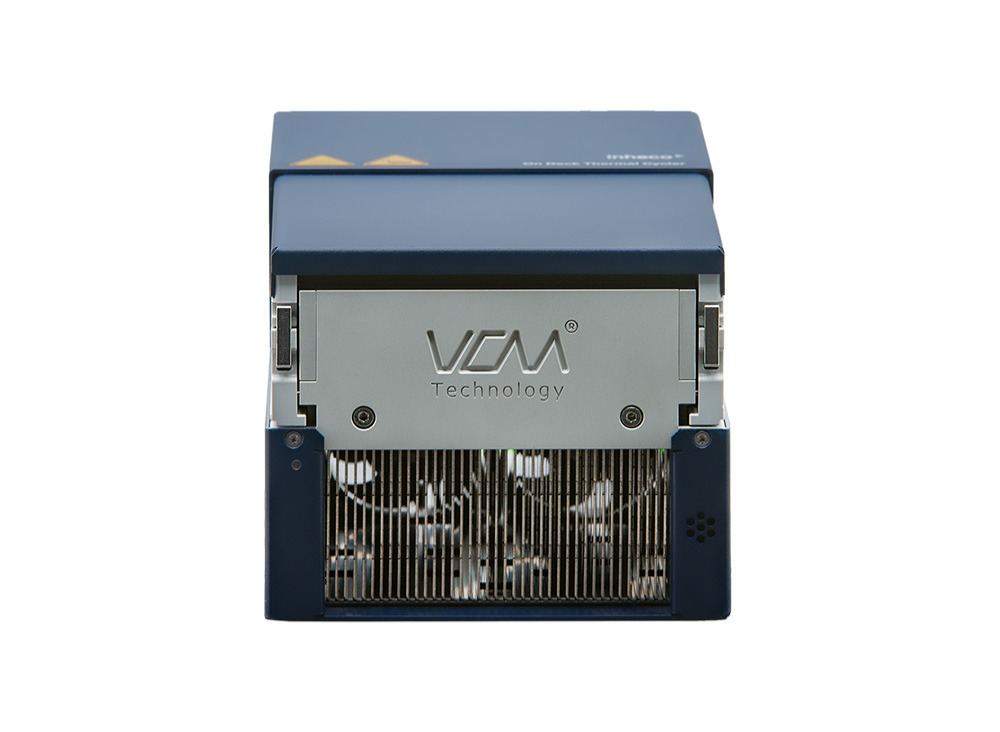
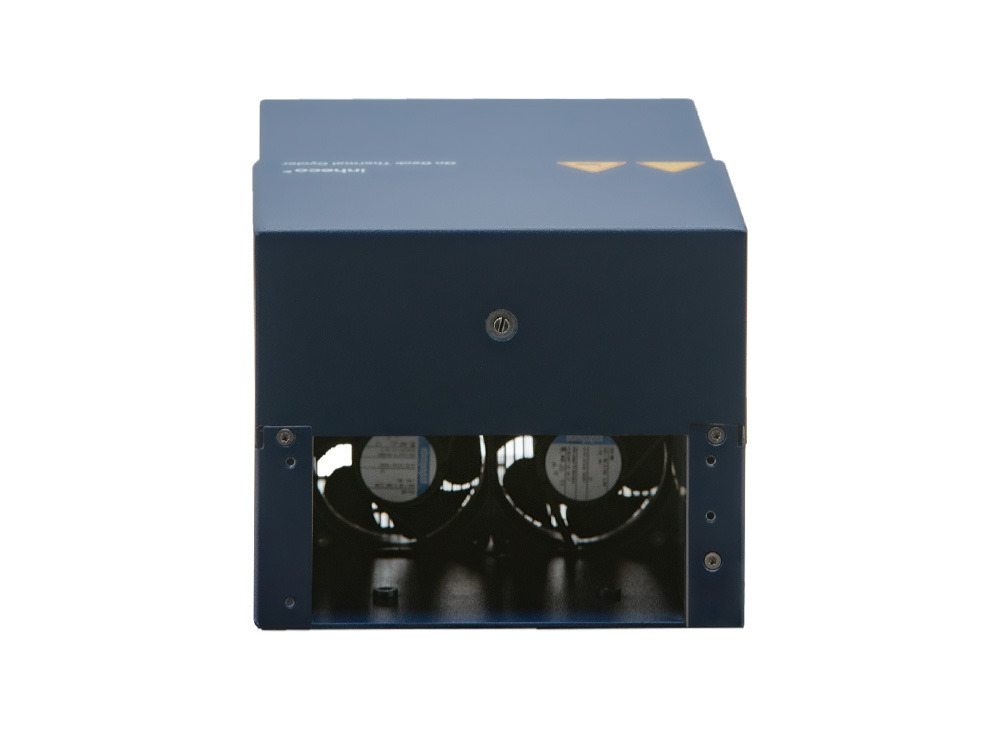
- flexible positioning in workflow - 4 different ventilation directions (downwards, rearwards, left & right)
- SiLA-compliant interface, software and application programming interface (API) available
- Free Software for standalone operation
- delivers rapid, reproducible results thanks to our patented Vapor Chamber Mount® (VCM®)
- precise heating and cooling and transition to plateau temperature
- unmatched uniformity across the entire plate, even with unequally filled plates/wells
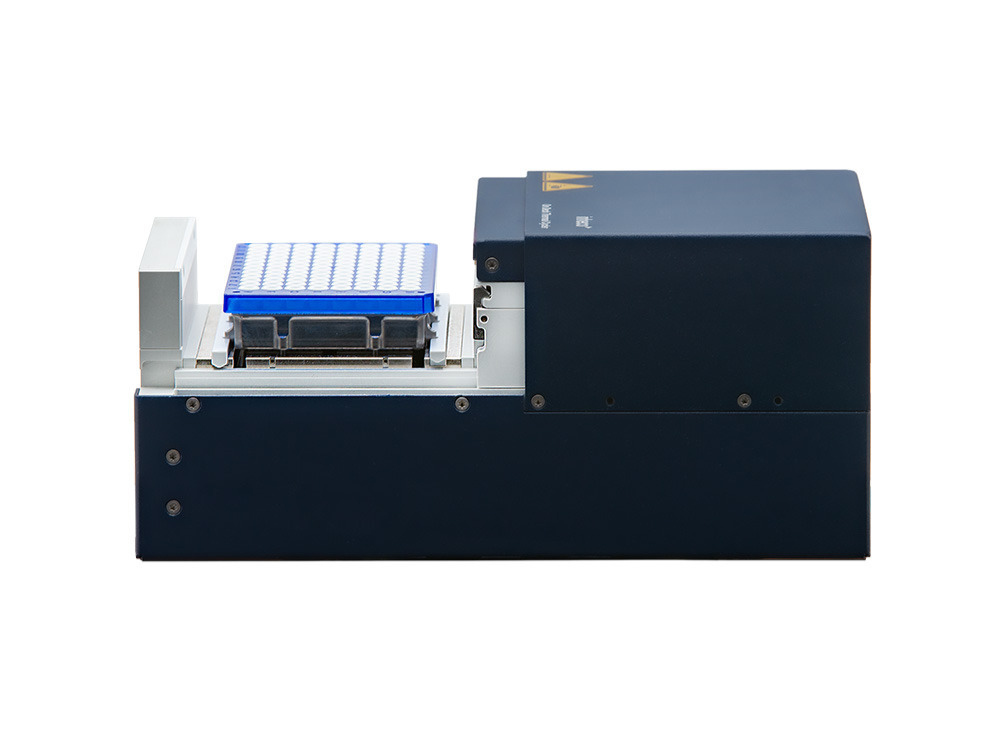
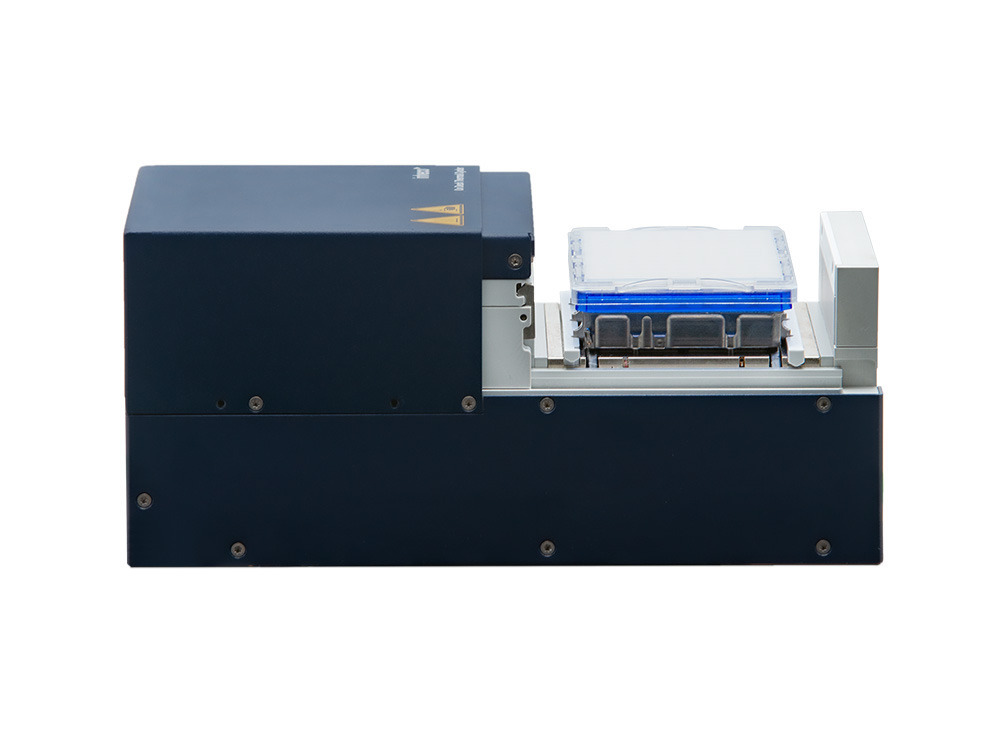
- horizontal lid can be opened automatically, ensuring problem-free 24/7 automated operation
- compatible with all standard 96 and 384 well PCR plates
- heating of the samples is possible even with the lid open
- designed, engineered and made in Germany, rigorous quality control
- global two-year warranty and full customer service including remote support, diagnostic and servicing options
Technical Specifications ODTC®
ODTC® 96
| General specifications | |
|---|---|
| Dimensions (H x W x L) | 124.3 mm x 156.5 mm x 248 mm |
| Weight | Approx. 7.5 kg |
| Plate ejection | Automated plate ejection mechanism with exchangeable ejection bars |
| ODTC® instrument DC input | 24 Vdc / 1200 W *1) |
| Protection class | III (according DIN EN 61140) |
| EMV instrument class | Group 1 / class A (industrial requirements) |
| PCR plates | 96 well VCM® optimized for specific PCR plates (other PCR plate formats only on request) |
| Maximum volume during PCR | 100µl/well for 96 well version |
| ODTC® lid | Opens and closes by horizontal move and is heated to avoid condensation running temperature profiles with open ODTC® Lid possible |
| Lid pressure | Automated adjustment of lid pressure for different disposable and sealing options |
| Thermal specifications | |
|---|---|
| Temperature range | +4 °C to +99 °C [+39 °F to +210 °F] *2) |
| Temperature accuracy | ±0.30 K at +55 °C [+131 °F] |
| Temperature uniformity | ±0.20 K at +55 °C [+131 °F] ±0.20 K at +72 °C [+162 °F] ±0.20 K at +95 °C [+203 °F] |
| Heating rate average (slope) | Max. 4.4 K/sec |
| Cooling rate average (slope) | Max. 2.2 K/sec |
| Adjustable heating & cooling rate | From 0.1 K to 4.4 K/sec |
| Lid temperature | Adjustable between ambient temperature +5.0 K to +115 °C [+5.0 K to +239 °F] |
| Lid default temperature | +110 °C [+230 °F] |
ODTC® 96 XL
| General specifications | |
|---|---|
| Dimensions (H x W x L) | 129.3 mm x 156.5 mm x 285.2 mm |
| Weight | Approx. 7.5 kg |
| Plate ejection | Automated plate ejection mechanism with exchangeable ejection bars |
| Instrument DC input | 24 Vdc / 1200 W *1) |
| Protection class | III (according DIN EN 61140) |
| EMV instrument class | Group 1 / class A (industrial requirements) |
| PCR plates | 96 well VCM® optimized for specific PCR plates (other PCR plate formats only on request) |
| Maximum volume during PCR | 100 µl/well for 96 well version |
| Lid | Opens and closes by horizontal move and is heated to avoid condensation running temperature profiles with open ODTC® Lid possible |
| Lid pressure | Automated adjustment of lid pressure for different disposable and sealing options |
| Thermal specifications | |
|---|---|
| Temperature range | +4 °C to +99 °C [+39 °F to +210 °F] *2) |
| Temperature accuracy | ±0.30 K at +55 °C [+131 °F] |
| Temperature uniformity | ±0.20 K at +55 °C [+131 °F] ±0.20 K at +72 °C [+162 °F] ±0.20 K at +95 °C [+203 °F] |
| Heating rate average (slope) | Max. 4.4 K/sec |
| Cooling rate average (slope) | Max. 2.2 K/sec |
| Adjustable heating & cooling rate | From 0.1 K to 4.4 K/sec |
| Lid temperature | Adjustable between ambient temperature +5.0 K to +115 °C [+5.0 K to +239 °F] |
| Lid default temperature | +110 °C [+230 °F] |
ODTC® 384
| General specifications | |
|---|---|
| Dimensions (H x W x L) | 124.3 mm x 156.5 mm x 248 mm |
| Weight | Approx. 7.5 kg |
| Plate ejection | Automated plate ejection mechanism with exchangeable ejection bars |
| Instrument DC input | 24 Vdc / 1200 W *1) |
| Protection class | III (according DIN EN 61140) |
| EMV instrument class | Group 1 / class A (industrial requirements) |
| PCR plates | 96 and 384 well VCM® optimized for specific PCR plates (other PCR plate formats only on request) |
| Maximum volume during PCR | 50µl/well for 384 well version |
| Lid | Opens and closes by horizontal move and is heated to avoid condensation running temperature profiles with open ODTC® Lid possible |
| Lid pressure | Automated adjustment of lid pressure for different disposable and sealing options |
| Thermal specifications | |
|---|---|
| Temperature range | +4 °C to +99°C [+39 °F to +210 °F] *2) |
| Temperature accuracy | ±0.30 K at +55 °C [+131 °F] |
| Temperature uniformity | ±0.20 K at +55 °C [+131 °F] ±0.20 K at +72 °C [+162 °F] ±0.20 K at +95 °C [+203 °F] |
| Heating rate average (slope) | Max 5.0 K/sec |
| Cooling rate average (slope) | Max. 2.2 K/sec |
| Adjustable heating & cooling rate | From 0.1 K to 5.0 K/sec |
| Lid temperature | Adjustable between ambient temperature +5.0 K to +115 °C [+5.0 K to +239 °F] |
| Lid default temperature | +115 °C [+239 °F] |
ODTC® 384 XL
| General specifications | |
|---|---|
| Dimensions (H x W x L) | 129.3 mm x 156.5 mm x 285.2 mm |
| Weight | Approx. 7.5 kg |
| Plate ejection | Automated plate ejection mechanism with exchangeable ejection bars |
| Instrument DC input | 24 Vdc / 1200W *1) |
| Protection class | III (Compliant with DIN EN 61140) |
| EMV instrument class | Group 1 / class A (industrial requirements) |
| PCR plates | 96 and 384 well VCM® optimized for specific PCR plates (other PCR plate formats only on request) |
| Maximum volume during PCR | 50 µl/well for 384 well version |
| Lid | Opens and closes by horizontal move and is heated to avoid condensation running temperature profiles with open ODTC® Lid possible |
| Lid pressure | Automated adjustment of lid pressure for different disposable and sealing options |
| Thermal specifications | |
|---|---|
| Temperature range | +4°C to +99 °C [+39 °F to +210 °F] *2) |
| Temperature accuracy | ±0.30 K at +55 °C [+131 °F] |
| Temperature uniformity | ±0.20 K at +55 °C [+131 °F] ±0.20 K at +72 °C [+162 °F] ±0.20 K at +95 °C [+203 °F] |
| Heating rate average (slope) | Max 5.0 K/sec |
| Cooling rate average (slope) | Max. 2.2 K/sec |
| Adjustable heating & cooling rate | From 0.1 K to 5.0 K/sec |
| Lid temperature | Adjustable between ambient temperature +5.0 K to +115 °C [+5.0 K to +239 °F] |
| Lid default temperature | +115 °C [+239 °F] |
| Specifications - ODTC® Power & Control Unit (PCU) | |
|---|---|
| Dimensions (WxDxH horizontally placed) | 256.5 mm x 414.5 mm x 58 mm *3) |
| Interface | SiLA, Ethernet (RJ45 connector) |
| Weight | Approx. 5.5 kg |
| AC input | 100-240 V / 50/60 Hz (1250 W) |
| DC output | 24 Vdc / 1200W |
| Protection class | I (according DIN EN 61140) |
| Fuses | 2 x T12A / 250 V |
| Environmental Conditions - ODTC® and ODTC® Power & Control Unit (PCU) | |
|---|---|
| Tolerable relative humidity: | |
| Operation | 30-80% *4) |
| Transportation and storage | 30-80% *4) |
| Temperature: | |
| Operation | +15 °C to +32 °C [+59 °F to +90 °F] |
| Transportation and storage | -10 °C to +60 °C [+14 °F to +140 °F] |
1) ODTC® instrument shall only be powered by the ODTC® Power & Control Unit.
2) Operation of ODTC® below ambient temperature: The operation of the ODTC® below ambient temperature.
3) Note: The ODTC® Power & Control Unit can be positioned vertically or horizontally.
4) Condensate can prevent the ODTC® from operating properly and can damage the ODTC®.
ODTC® Accessories
 |
Inheco OVT - ODTC® Verification Tool Check your On Deck Thermal Cycler is working perfectly. Read more |
Why use a thermal cycler?
Labs use a thermal cycler (or thermocycler, PCR machine, DNA amplifier) to put samples through repeated cycles of two temperature extremes. It is frequently used to amplify segments of DNA using the polymerase chain reaction (PCR). Thermal cyclers are also used in laboratories to enable other temperature-sensitive reactions, including restriction enzyme digestion and rapid diagnostics.It works by precisely raising and lowering the temperature of its thermal block. Samples (in tubes) sit in wells in the block and are heated and cooled by the block.
What to look for in a thermal cycler
For PCR and other uses, the thermal cycler must be able to deliver exactly the same changes in temperature for every sample in a run, and for every run.
- Temperature uniformity - delivering identical temperature across the entire block, with identical results for samples in the middle or on the edge of the block, and throughout the run.
- Temperature accuracy - ensuring accurate and stable, reproduceable temperatures for the duration of the run, and for every sample in the block.
- Uniformity and accuracy during open-drawer operations - enabling pipetting and enzyme introductions whenever needed, with negligible effect.
- Rapid uniform temperature change (ramp rates) - reaching required temperatures as rapidly as possible whilst maintaining temperature uniformity across the entire block.
- Sample integrity and contaminant reduction - by enclosing and sealing the batch during the run.
- Minimized start-up and boot times - combined with rapid ramp rates so laboratories can complete significantly more batches per day.
- Small footprint - delivering the required performance while taking up as little space in the workflow as possible.
- Flexible positioning - with few, if any, restrictions on placement due to the thermal cycler’s air venting or obstruction of the workflow arm.
Use of the Inheco ODTC® thermal cycler
The ODTC® is used in the PCR process (polymerase chain reaction), to amplify a specific DNA sequences in a sample. The amplification follows an exponential curve, so that after several temperature cycles several million replicates are present in the sample. This high number is required for various detection methods, as the sensors of the measurement/detection systems only respond when there is sufficient signal-to-noise rate.The ODTC® is also used for NGS (Next Generation Sequencing). The reading of the gene segment, i.e., the sequence in which the base pairs (ATGC) occur, is carried out by the sequencer, but in order for this to be able to process the sample, it’s necessary to prepare (or enrich) a sample of the gene segment using PCR.
The ODTC® is ideal for gene analysis. As gene analysis is used in more diagnostic procedures as well as in research work it requires automation, and the ODTC® is optimized for use in highly automated environments.
Superior thermal management with the Inheco ODTC®
The ODTC® delivers fast, predictable heating and cooling across every sample, thanks to innovative technologyPatented Vapor Chamber Mount (VCM®) thermal cycling technology
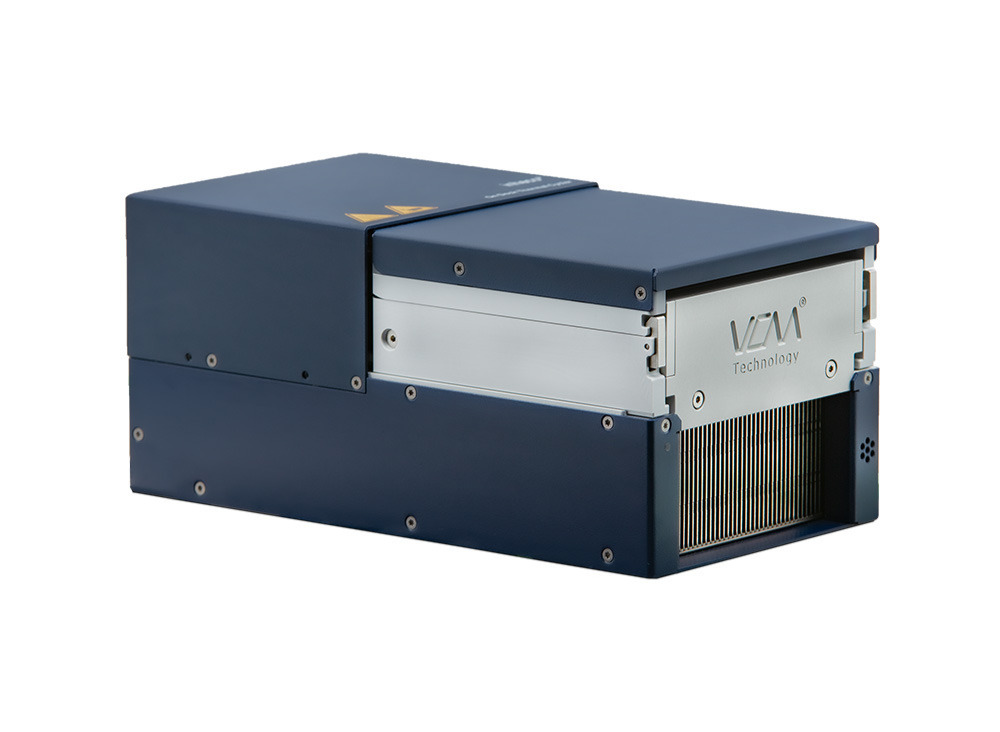
- The VCM® is the first 3D heat pipe to be used as a super-conductive thermal cycler mount for PCR disposables.
- An internal 3D Heat Pipe uses evaporation & condensation to transfer heat, almost at the speed of sound.
- Peltier elements provide rapid heating and cooling, but when compared to other technologies, the VCM® distributes the applied temperature much more evenly and rapidly in the mount.
- The Super-conductive mount ensures consistent results over all wells.
- Superfast transition to the target plateau temperature for all wells allows a reduction of the plateau time and accelerates the overall PCR process.
- Thermal performance is unaffected by ambient conditions in the lab or workflow, or by opening and closing the lid.
Horizontal-opening heated lid
- VCM® technology ensures the lid has negligible influence on thermal performance, allowing open-drawer operations, such as adding a chemical or taking an aliquot, during incubation.
- The lid slides in and out of the instrument, so there are no restrictions on operation open or closed.
- No change in height or depth or additional space needed to open the lid, and no risk of interfering with the robot arm.
- Access to samples from every side of the ODTC®, so your ODTC® can be placed anywhere in the workflow.
- Enables 24/7 automated operation without supervision.
- Adds full flexibility and control to your heating options: Choose to turn off the heating from the block and just use the heater in the lid OR run a different temperature or different ramp up in the block and the lid.
- SiLA-compliant, API available, IoT-ready. The ODTC® is quick to connect, and ready for future developments in your lab.